Find Your New Home
Most students live in a student dormitory or rent an apartment.
Take time to explore your options so you can find a place that suits you.
There are also online rental listings to research places you are interested in before you arrive. Rental contracts in Japan can work differently from those in other countries, so we recommend talking to your study abroad agent or your school's international student office first.

Types of housing
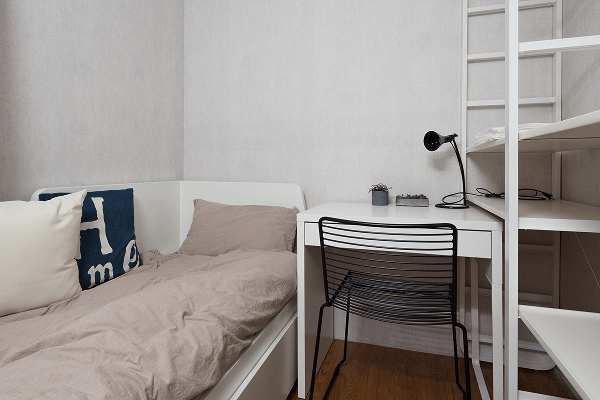
Student dormitory
A dorm run by your university. It's the most affordable option, and you apply through your school.
| Contract | Arranged through your school |
|---|

Share house
A house where you have your own room but share the kitchen, shower, and other common areas with the other residents. It's an easy way to make friends.
| Contract | Signed with the management company |
|---|
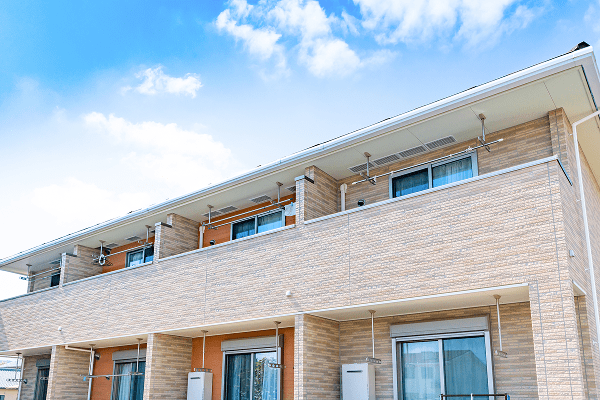
Apartment
A room entirely to yourself. You get full independence, but you'll need to pay upfront costs such as a security deposit (shikikin) and key money (reikin).
| Contract | Signed with a real estate agency |
|---|
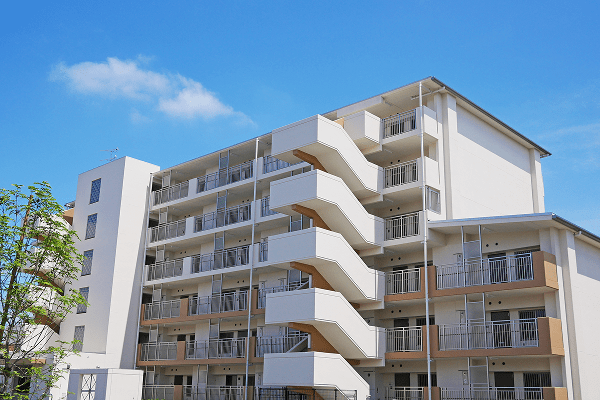
Public housing
Low-rent housing run by the national or municipal government. You'll need to meet eligibility requirements, including income limits.
| Contract | Signed with the local government, or with the public housing corporation it has entrusted |
|---|
What to know before you rent
Most landlords require a Japanese guarantor. Some accept a rent guarantee company instead.
Upfront costs (deposit and key money) typically run three to six months' rent, so budget accordingly.
Register your address at the municipal office within 14 days of moving in.

Living costs
Living costs for international students in the Kanto region
are said to be around 100,000 yen per month.
Many international students also take on part-time work to cover the shortfall in their living costs or to earn spending money.
[Source] JASSO Survey on Privately Financed International Students in Japan